𝗪𝗵𝗮𝘁 𝗱𝗼𝗲𝘀 𝗮 𝗵𝘆𝗱𝗿𝗼𝘁𝗵𝗲𝗿𝗺𝗮𝗹 𝘃𝗲𝗻𝘁 𝗰𝗼𝗺𝗺𝘂𝗻𝗶𝘁𝘆 𝗹𝗼𝗼𝗸 𝗹𝗶𝗸𝗲 𝘄𝗵𝗲𝗻 𝘆𝗼𝘂 𝗶𝗹𝗹𝘂𝗺𝗶𝗻𝗮𝘁𝗲 𝗶𝘁 𝘄𝗶𝘁𝗵 𝗮 𝗱𝗶𝗳𝗳𝗲𝗿𝗲𝗻𝘁 𝗸𝗶𝗻𝗱 𝗼𝗳 𝗹𝗶𝗴𝗵𝘁?
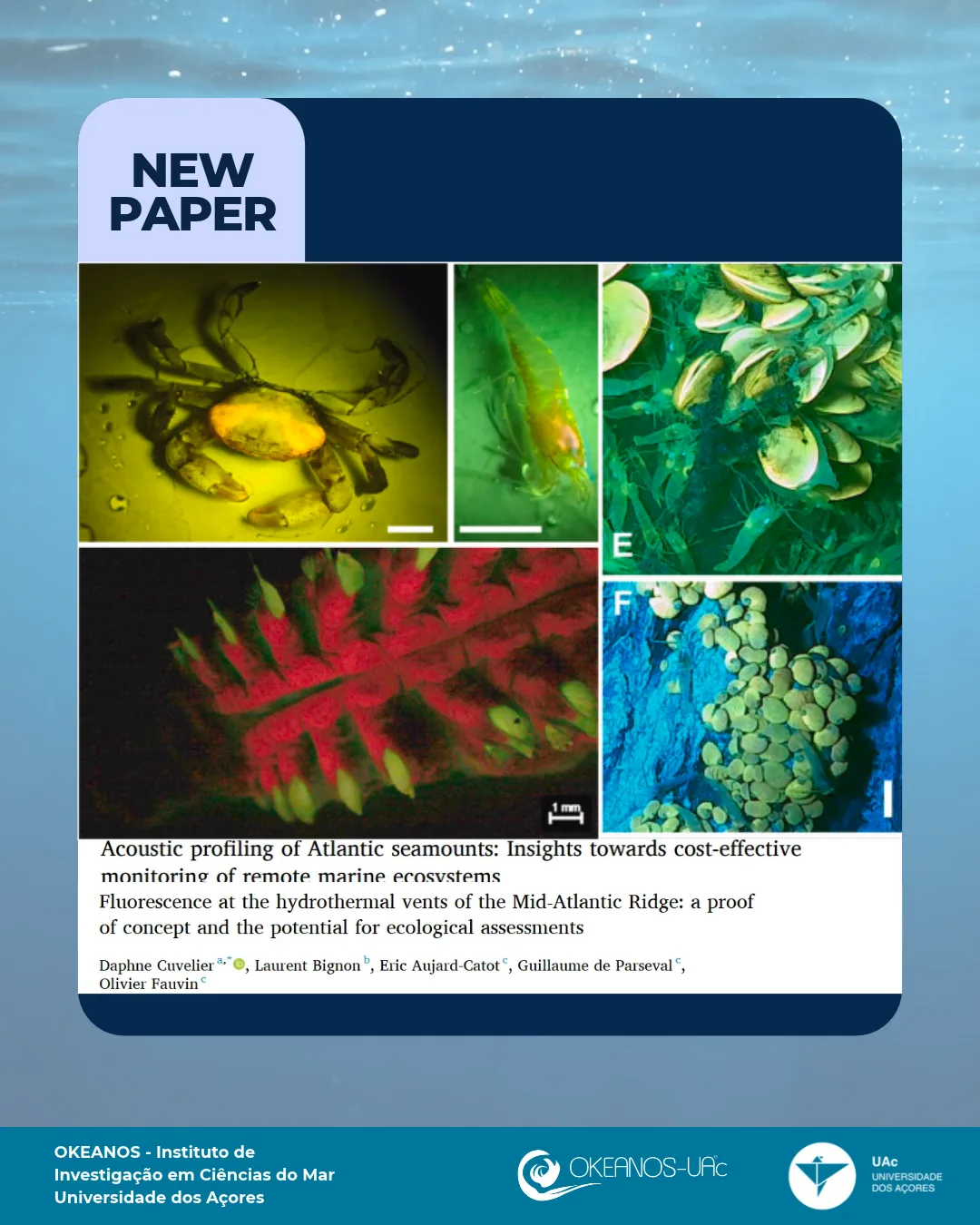
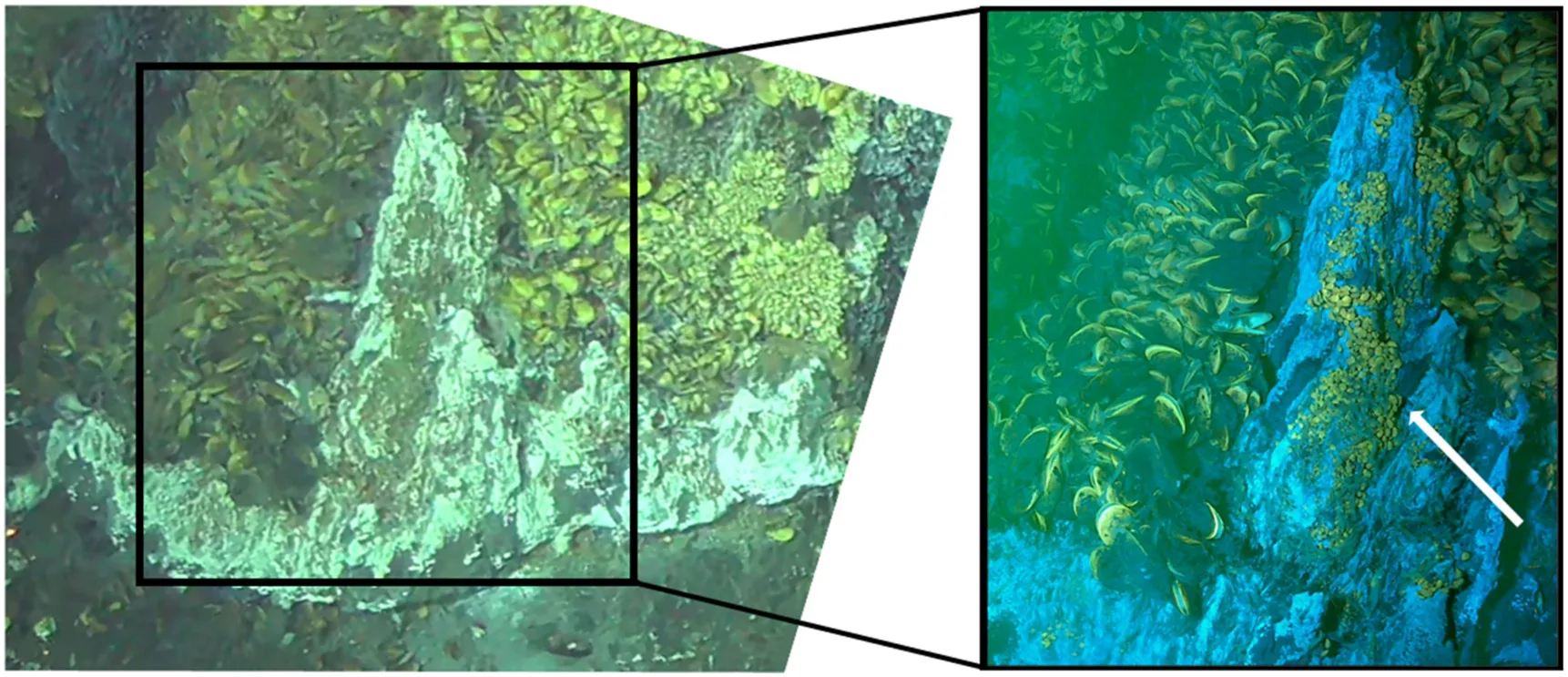
During the MoMARSAT2025 cruise, researchers tested a new non-invasive approach to visualise fluorescence in the Lucky Strike hydrothermal vent field, around 1,700 metres below the surface on the Mid-Atlantic Ridge. The team used a camera system connected to the HOV Nautile, combining a blue excitation light with a yellow barrier filter.
Allowing fluorescent features to stand out in several organisms, including:
🦪 Bathymodiolus azoricus — the dominant mussel at the active vents, with fluorescent shells
🦐 Alvinocarididae shrimp — with fluorescent spots on their carapaces
🐌 Limpets and 🕷️ pycnogonids — less conspicuous organisms that became much easier to detect
🦐 Segonzacia mesatlantica
🦐 Mirocaris fortunata or juvenile Rimicaris chacei
🪱 Branchipolynoe seepensis — all revealing striking orange or red fluorescence under laboratory conditions
The researchers also tested whether fluorescence could help with ecological assessments. By applying image-processing techniques, fluorescence images could be used to distinguish fauna from the surrounding substrate, potentially providing a non-invasive tool for detecting and studying deep-sea communities.
From the surface, these ecosystems are invisible. 𝗔𝘁 𝟭,𝟳𝟬𝟬 𝗺𝗲𝘁𝗿𝗲𝘀, 𝗮 𝗱𝗶𝗳𝗳𝗲𝗿𝗲𝗻𝘁 𝘄𝗮𝘃𝗲𝗹𝗲𝗻𝗴𝘁𝗵 𝗼𝗳 𝗹𝗶𝗴𝗵𝘁 𝗶𝘀 𝗵𝗲𝗹𝗽𝗶𝗻𝗴 𝘂𝘀 𝘀𝗲𝗲 𝘁𝗵𝗲𝗺 𝗶𝗻 𝗮 𝘄𝗵𝗼𝗹𝗲 𝗻𝗲𝘄 𝘄𝗮𝘆.
Read more about this article here: Cuvelier, D., Bignon, L., Aujard-Catot, E., de Parseval, G., & Fauvin, O. (2026). Fluorescence at the hydrothermal vents of the Mid-Atlantic Ridge: A proof of concept and the potential for ecological assessments. Deep Sea Research Part I: Oceanographic Research Papers, 232, 104759. https://doi.org/10.1016/j.dsr.2026.104759.