How can we observe what happens in the twilight zone, hundreds of meters beneath the ocean’s surface, where marine life remains largely unexplored?
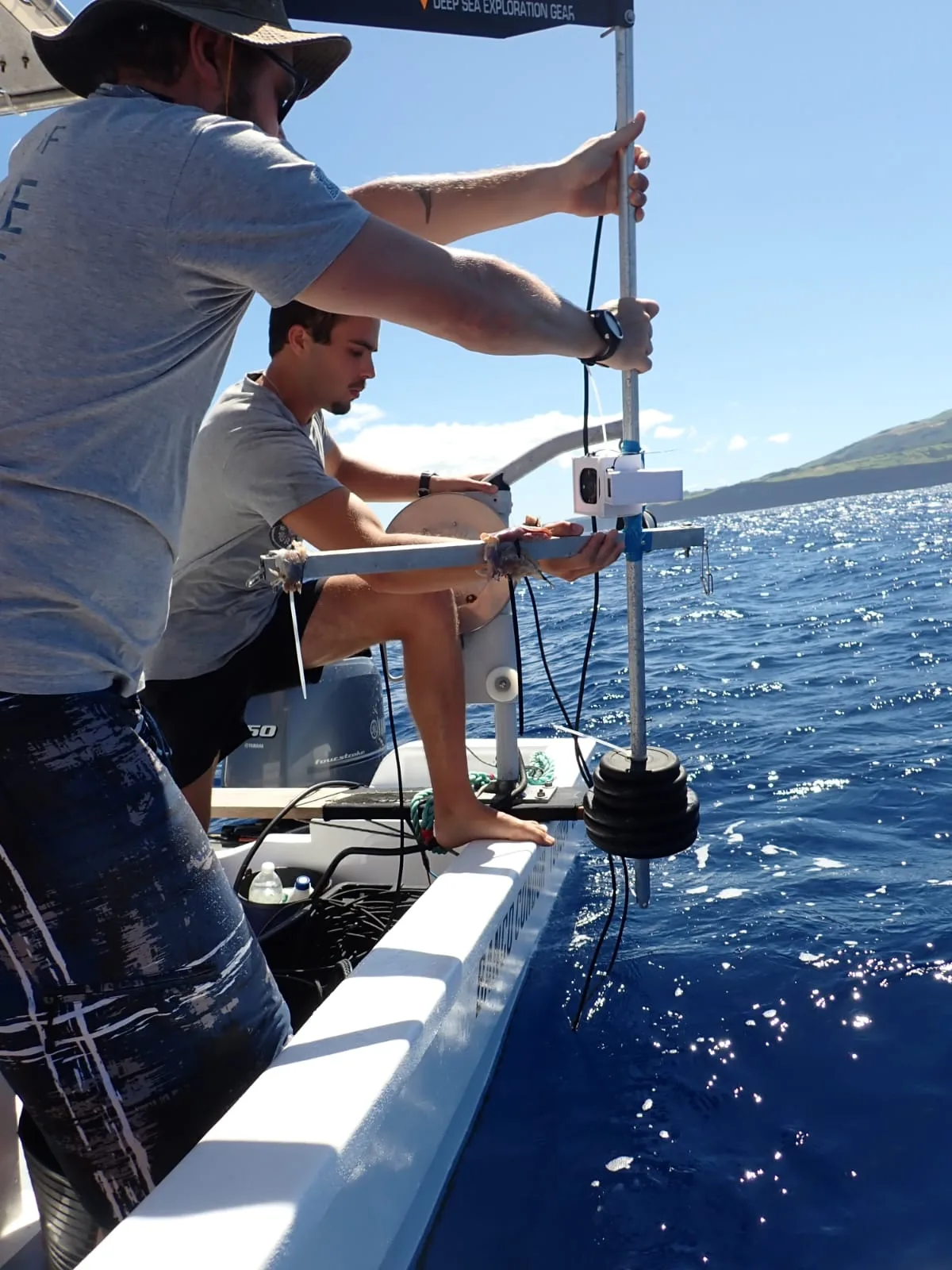
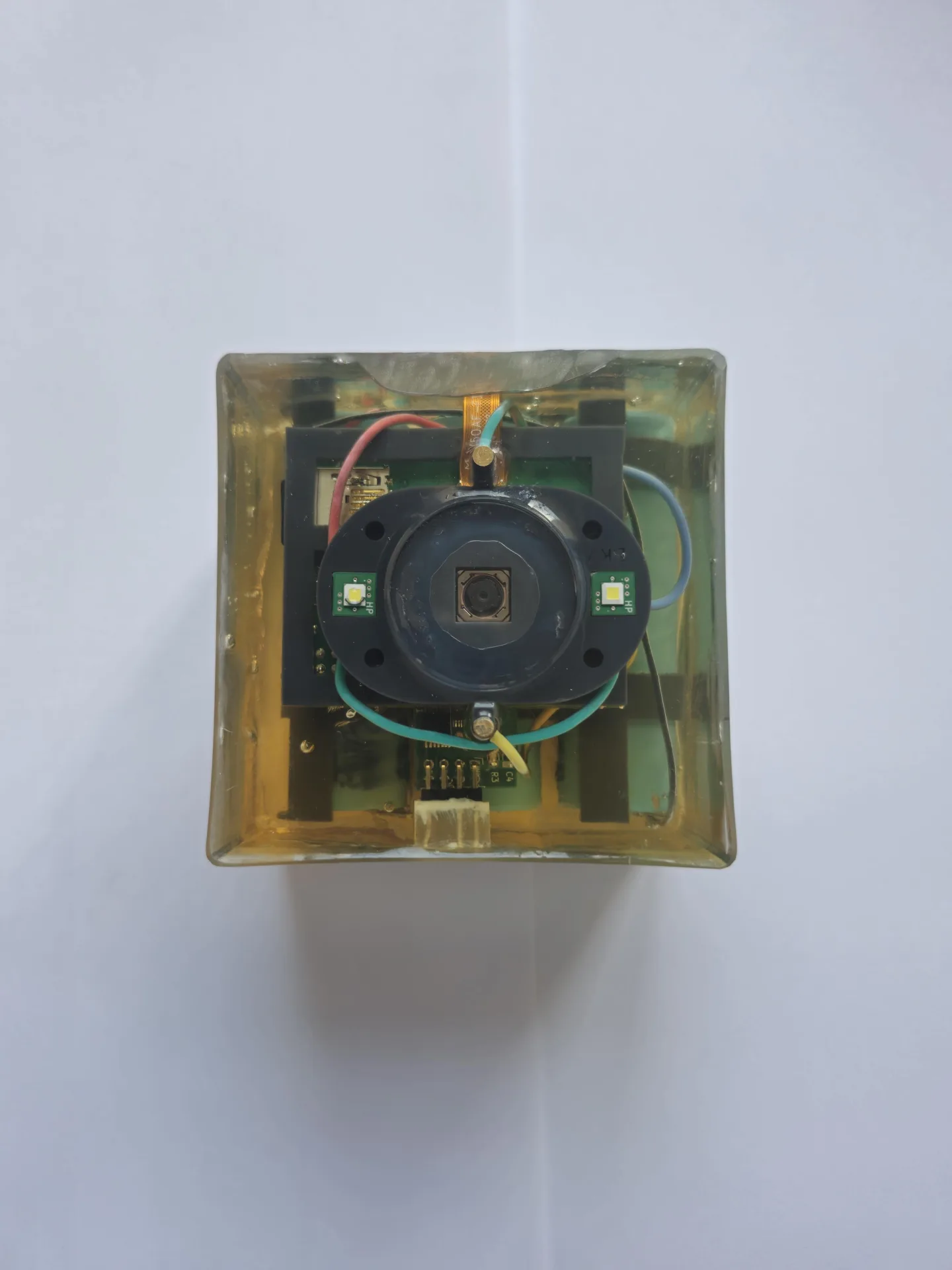
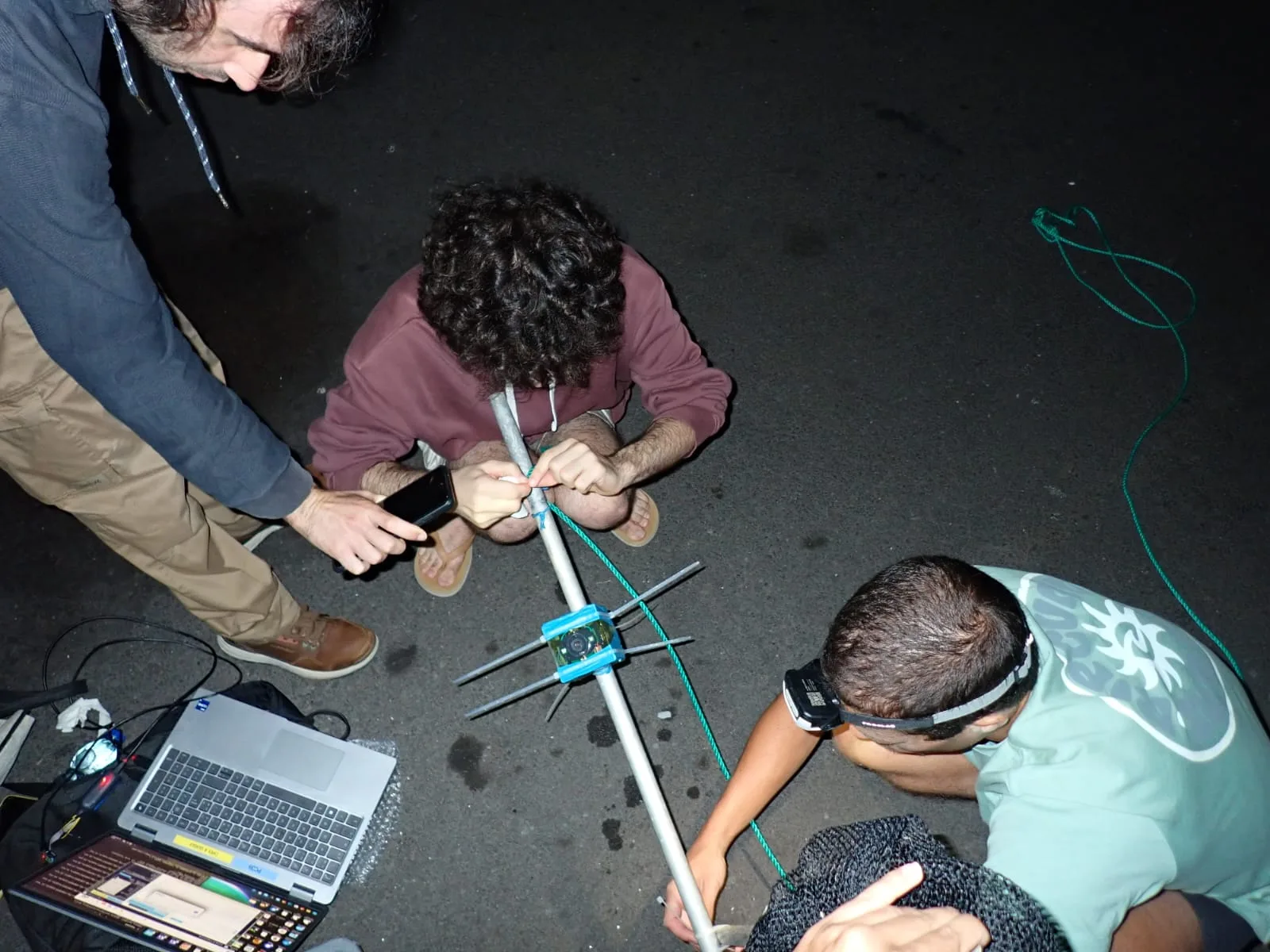
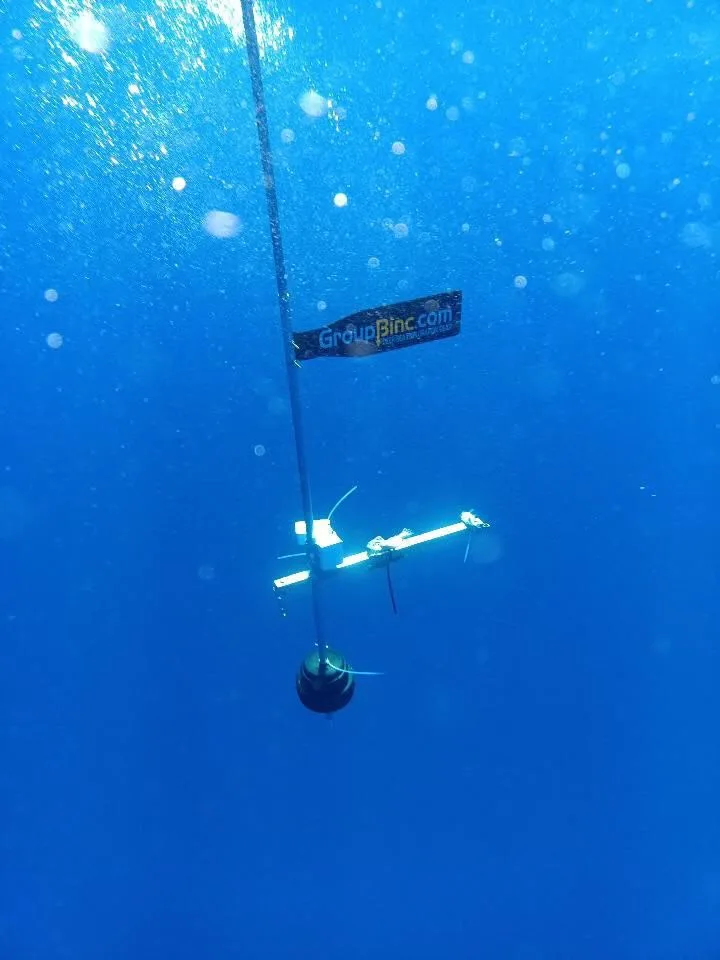
From 24 to 28 August 2026, Guilhem Carriou, a doctoral researcher in marine predator biologging at the Centre d’Études Biologiques de Chizé (CEBC, CNRS), joined the OKEANOS-UAc large-predator telemetry team to test a deep-sea camera prototype alongside a microsonar module.
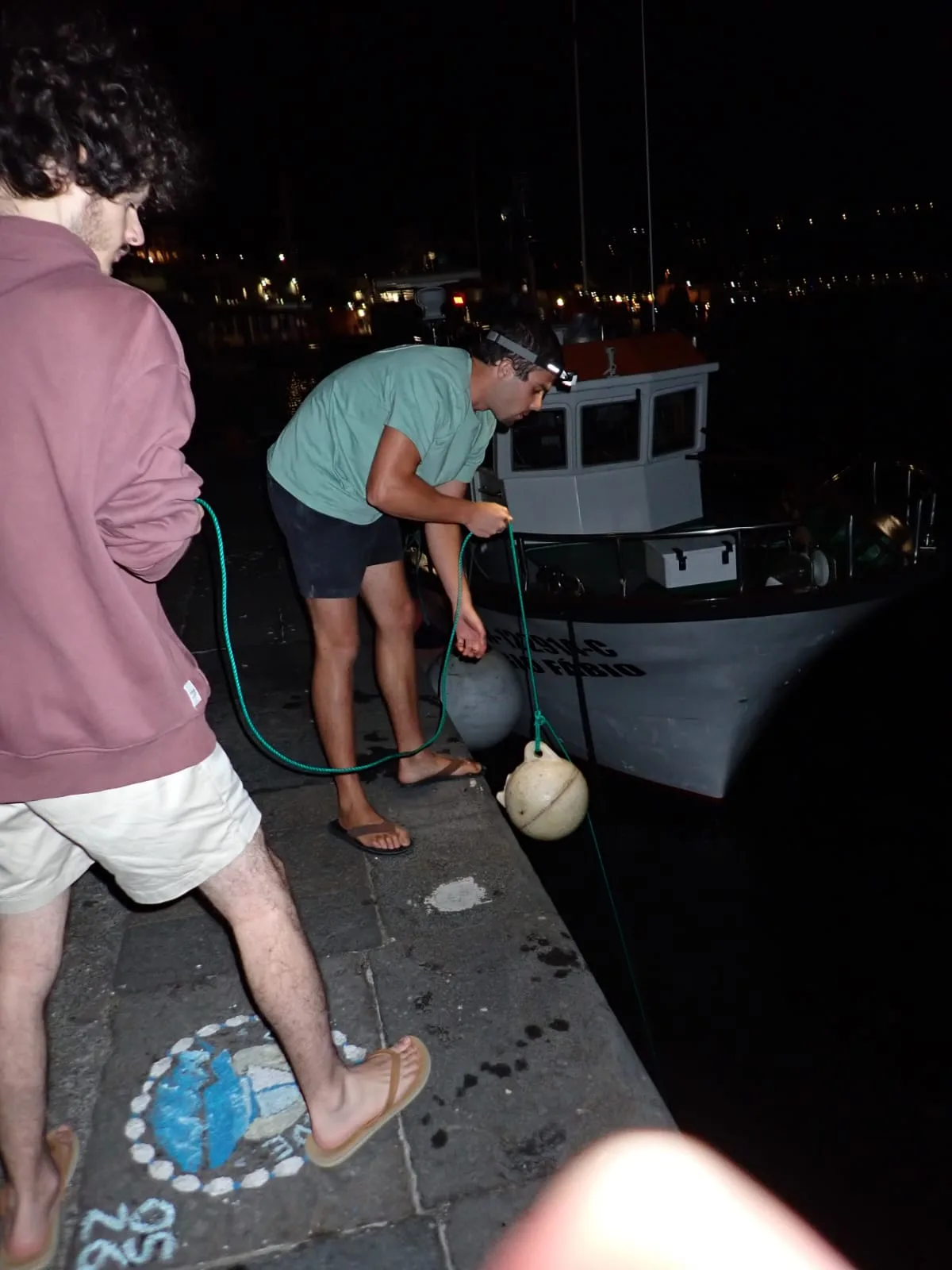
Working with Jorge Fontes and Bruno Macena, the team assessed camera performance under low-light conditions, from turbid, shallow harbour waters at night to clearer oceanic waters at depths of up to 400 metres. Across eight deployments, they collected more than 5,500 high-definition underwater images, evaluating the technology ahead of the integration of the camera and microsonar.
Why does this matter?
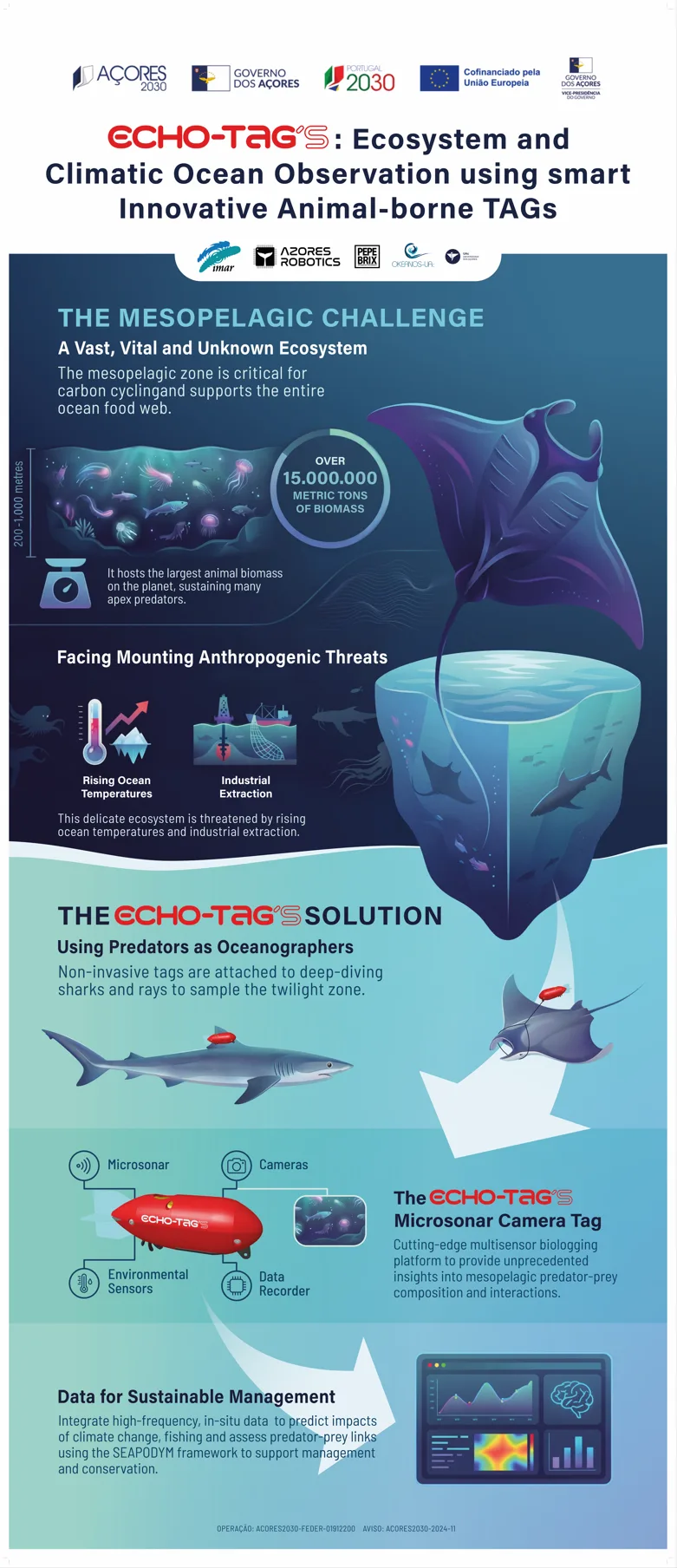
Between 200 and 1,000 metres deep lies the mesopelagic zone, also known as the ocean’s twilight zone. This vast ecosystem supports an enormous biomass of fish and invertebrates, plays a crucial role in global carbon cycling, and provides food for deep-diving predators such as sharks and mobulas.
Yet, understanding what happens in this hidden ecosystem remains a major scientific challenge. By equipping marine predators with innovative sensors, researchers aim to use these animals as oceanographers, gathering detailed information about their environment and the prey they encounter.
These technological developments are part of collaborative efforts to advance animal-borne camera and microsonar systems through the ECHOTAG’S (ACORES2030-FEDER-01912200), MANTA (FCT 2025.00378.AZO) and INNOVATE (SOSF 683) projects, led by Jorge Fontes at the OKEANOS Institute of Marine Sciences, in partnership with Azores Robotics led by Nuno Simões. The work is also connected to the French SOTroC ANR project, managed by Christophe Guinet at the Centre d’Études Biologiques de Chizé (CEBC).
Together, these projects aim to improve our understanding of how deep-diving sharks and rays depend on mesopelagic prey, and how ocean warming and potential large-scale biomass extraction could affect marine food webs and the ocean’s role in climate regulation.